
Quality
Quality Control & Inspection
Inconsistent goods are almost never bad luck. They are a spec gap, a measurement gap or an inspection gap — and all three are fixable before the shipment leaves the factory.
Quality is defined before it is inspected
You cannot inspect quality into a garment that was never specified. The PP sample, the graded spec sheet and the agreed tolerances are the standard — inspection simply checks the bulk against them.
Where quality is won and lost
- Fabric approval: the bulk roll is not always the swatch you approved
- Cutting: shading, grain and marker accuracy
- Sewing: seam type, SPI, allowance, and where operators substitute
- Measurement: points of measure against spec, within tolerance
- Finishing: pressing, thread trimming, wash consistency
- Labeling and packing: care content, barcodes, polybag and carton specs
Inspection stages
Inline (during production)
Catches a systematic defect at 20% of the run instead of 100%. By far the cheapest moment to find a problem.
Final random (AQL)
A statistical sample of the finished, packed goods against an agreed acceptance level — typically expressed as major and minor defect limits. Pass, fail, or re-inspect after rework.
Pre-shipment measurement audit
Measured garments across the size curve, against spec, with a written report and photos. This is what you want in hand before you release the balance payment.
Defects
What We Look For
Classified so you and the factory argue about facts, not opinions.
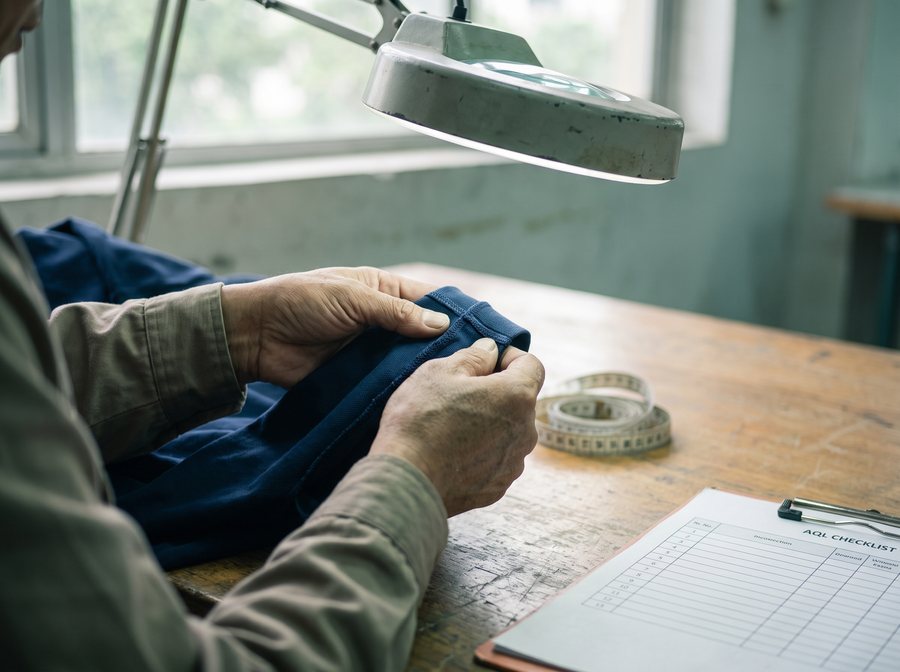
Reject on Sight
- Wrong fabric or color
- Wrong size in the wrong bag
- Open seams or holes
- Missing care/content labeling
- Safety or compliance failures
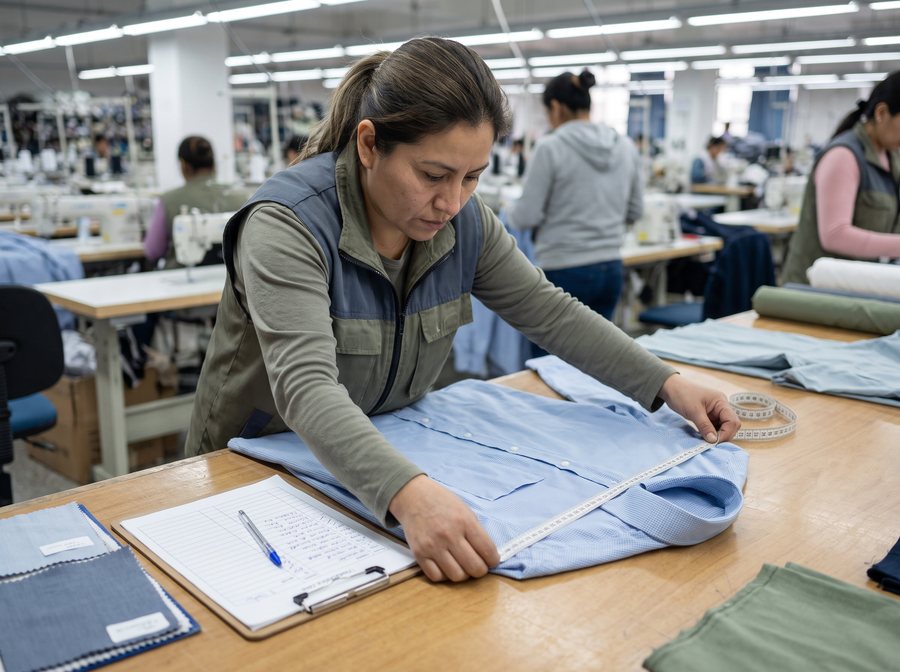
Affects Sale or Use
- Out-of-tolerance measurements
- Visible shading between panels
- Broken or skipped stitching
- Misplaced print or embroidery
- Damaged or non-functional trims
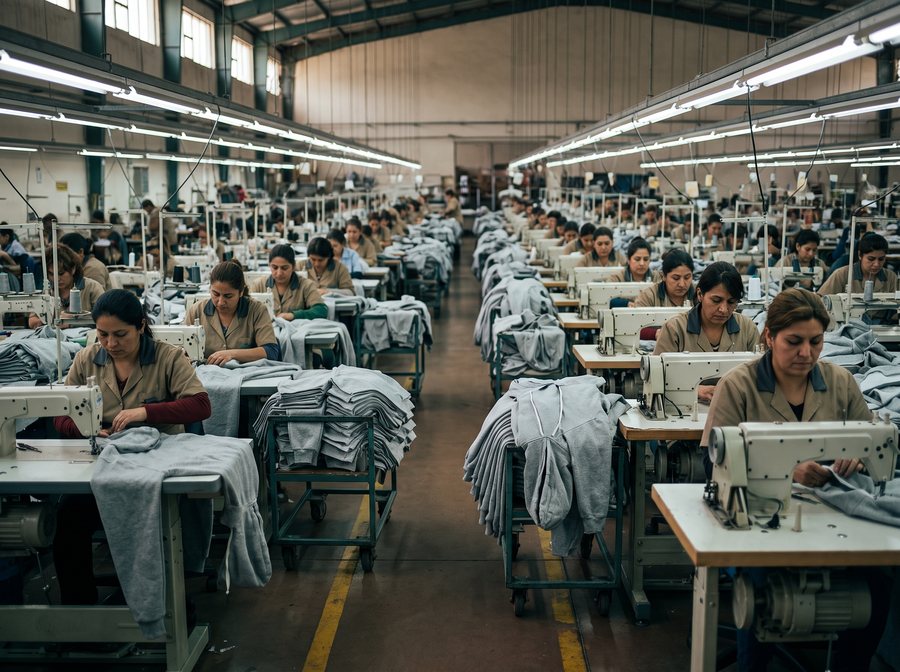
Cosmetic
- Loose thread ends
- Slight puckering within tolerance
- Minor pressing marks
- Small label placement variance
- Packing untidiness
Fit
Fit, Grading and the Size Curve
Most “quality complaints” from customers are fit problems, not construction problems. If returns cluster at one size or one measurement, the grade rule is usually the culprit rather than the factory.
- Fit sessions against a live fit model or a graded form
- Point-of-measure corrections carried through the whole range
- Grade rules reviewed, not just the sample size
- Tolerances set tighter where customers actually notice
- Block retained so future styles start from a known fit
Questions
Quality Control FAQ
What is AQL and what level should I use?
When should inspection happen?
My samples were perfect but the bulk is not. What happened?
Can I reject a shipment?
Should the balance payment depend on inspection?
Garment Quality Control Checklist
What to check, when to check it, and how to classify defects so factories act on your feedback.
Read guide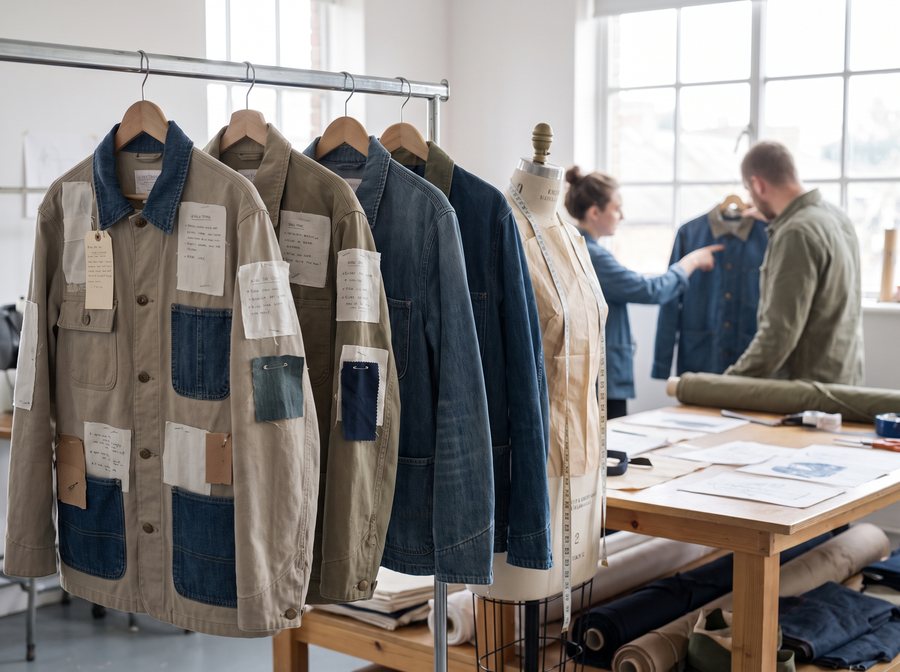
The Apparel Sampling Process, Explained
Proto, fit, PP and TOP — what each sample round is for and how to cut rounds without cutting corners.
Read guide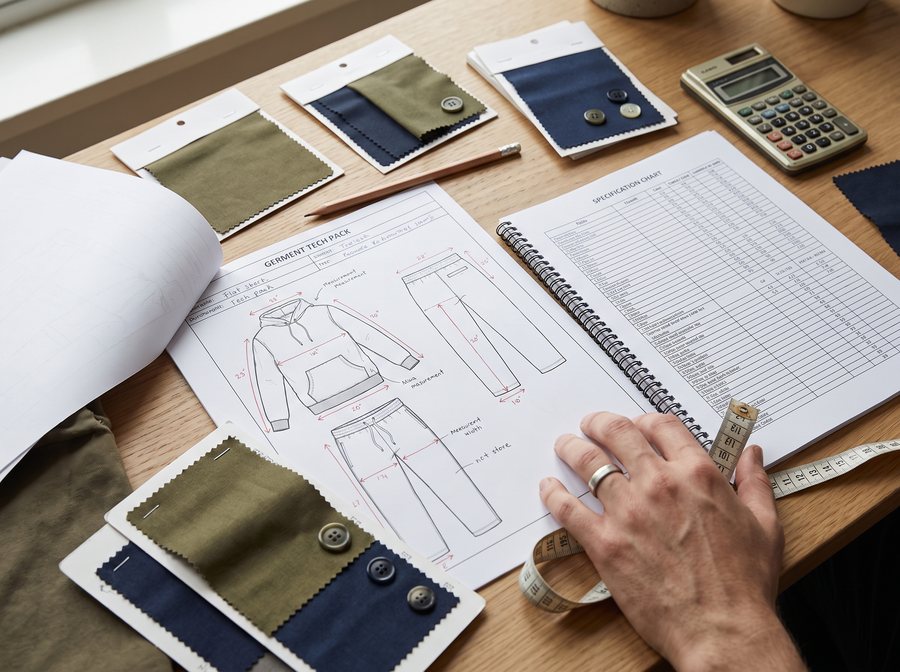
What Is a Tech Pack (and What Goes In One)?
The document that turns a design into something a factory can quote, cut and sew — section by section.
Read guide