
Library
Apparel Production Guides
Plain-English guides to sourcing, manufacturing models, tech packs, minimums, costing, quality and production timelines — written from the factory side of the business.
Sourcing

How to Find a Clothing Manufacturer
A practical, step-by-step process for finding and vetting a factory that actually fits your product and quantities.
Read guideQuestions to Ask a Clothing Manufacturer
The checklist to run before you pay anyone — factory, price, calendar, quality and the ones people forget.
Read guideClothing Manufacturer Red Flags
The patterns behind most sourcing losses — all visible before any money changes hands.
Read guide
Domestic vs. Overseas Manufacturing
An honest comparison on cost, minimums, lead time, control and risk — and the hybrid most brands end up with.
Read guideManufacturing Models
Private Label vs White Label vs Cut-and-Sew
Three models that get used interchangeably and are not. Which one you pick decides cost, minimums, timeline and ownership.
Read guide
What Is Cut-and-Sew Manufacturing?
A garment built from your own pattern and spec — what it involves, what it costs, and when it is worth it.
Read guide
Full Package vs CMT: Who Buys the Fabric?
FPP and CMT are the two ways a factory quotes. The difference decides who carries the risk when fabric is late or short.
Read guideDevelopment
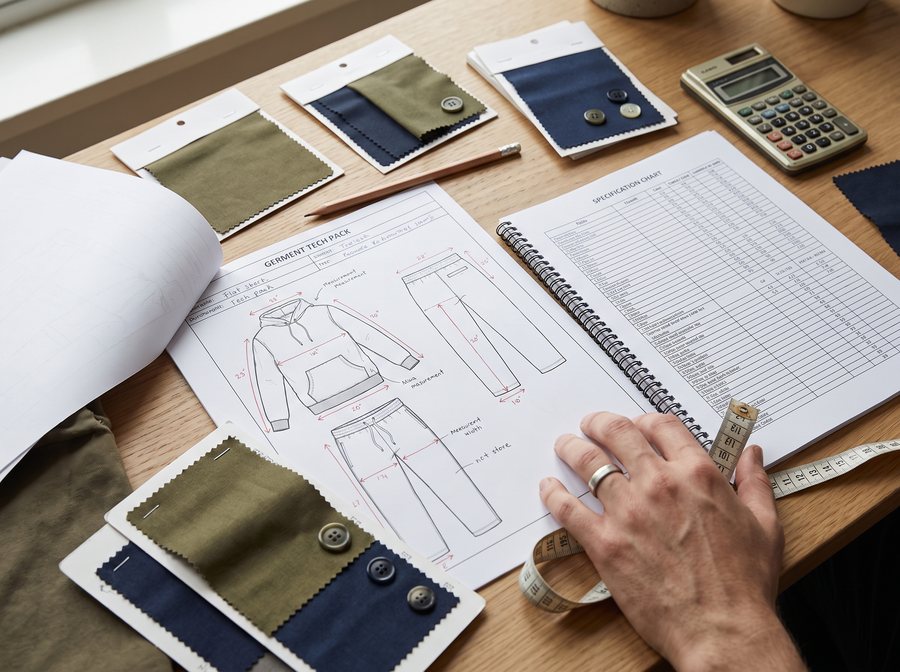
What Is a Tech Pack (and What Goes In One)?
The document that turns a design into something a factory can quote, cut and sew — section by section.
Read guide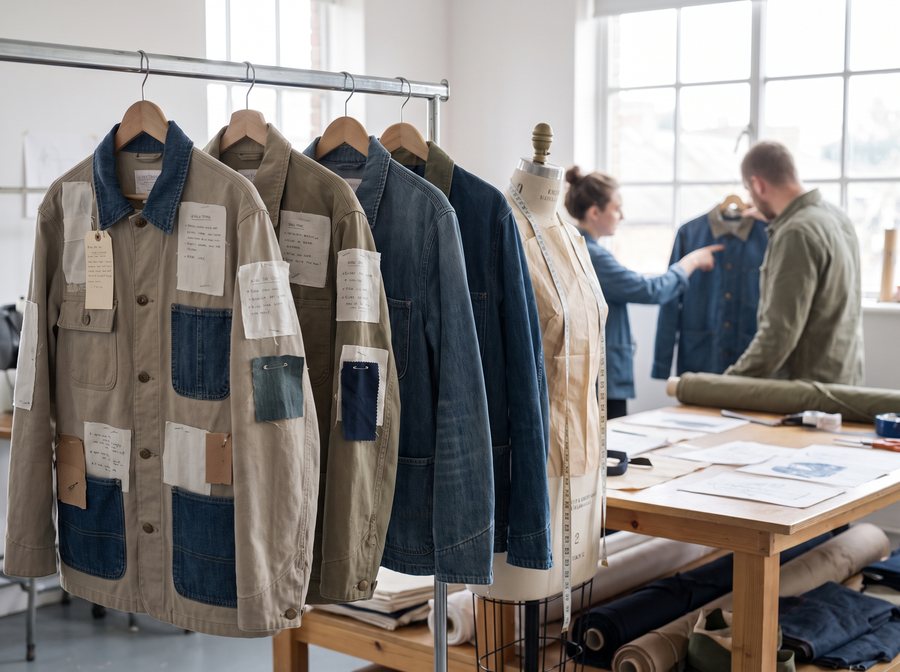
The Apparel Sampling Process, Explained
Proto, fit, PP and TOP — what each sample round is for and how to cut rounds without cutting corners.
Read guideFabric
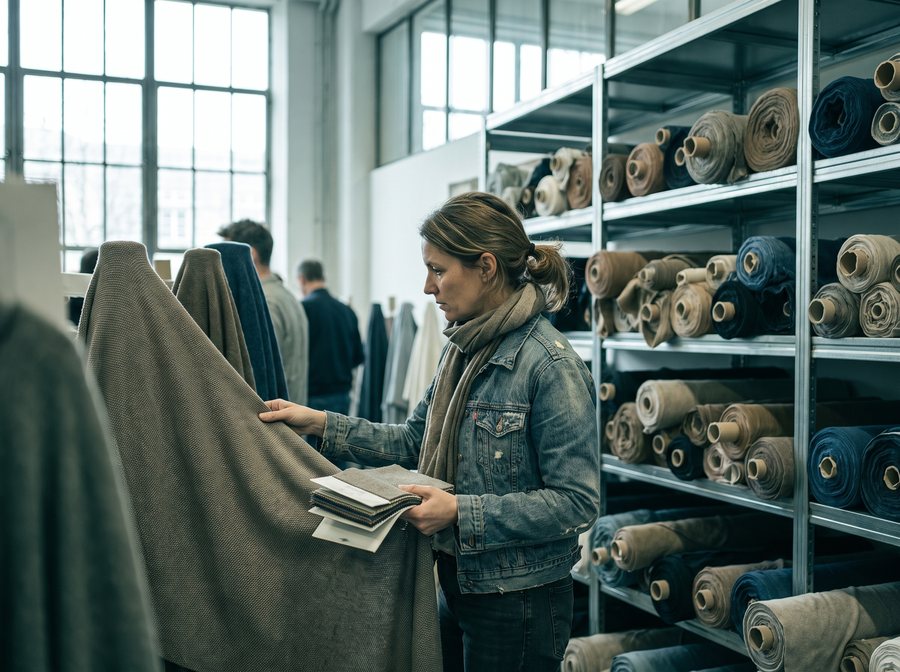
How to Source Fabric for a Clothing Line
Mills, stock programmes and jobbers — what to specify, what to test, and the reorder trap that catches first runs.
Read guide
Fabric Weight and GSM, Explained
What GSM measures, reference points for knits, the linear-yard trap, and why heavier is not better.
Read guideKnit vs Woven: What It Changes
The most fundamental fabric decision — it changes the pattern, the factory, the machines, the cost and the fit.
Read guideFabric Shrinkage and Testing
The quality problem inspection cannot catch, how to test for it, and the other bulk tests worth running.
Read guideFit & Grading
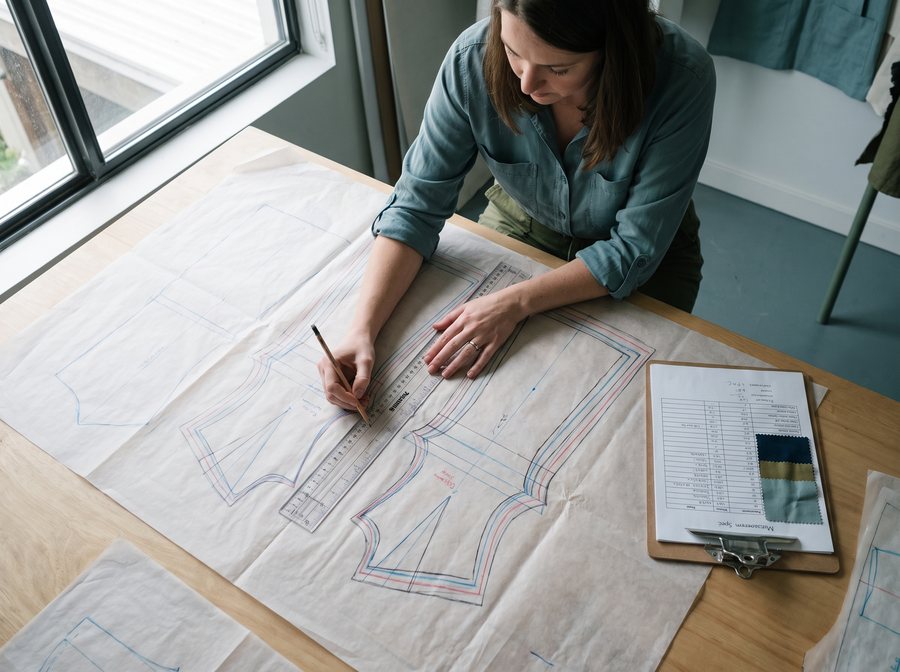
Points of Measure Explained
A dimension, a method and a tolerance. Without all three it is not a spec and nothing can be called off-spec.
Read guideWhat Is Garment Grading?
How one sample size becomes a size run — and why fit complaints always cluster at the ends of the range.
Read guide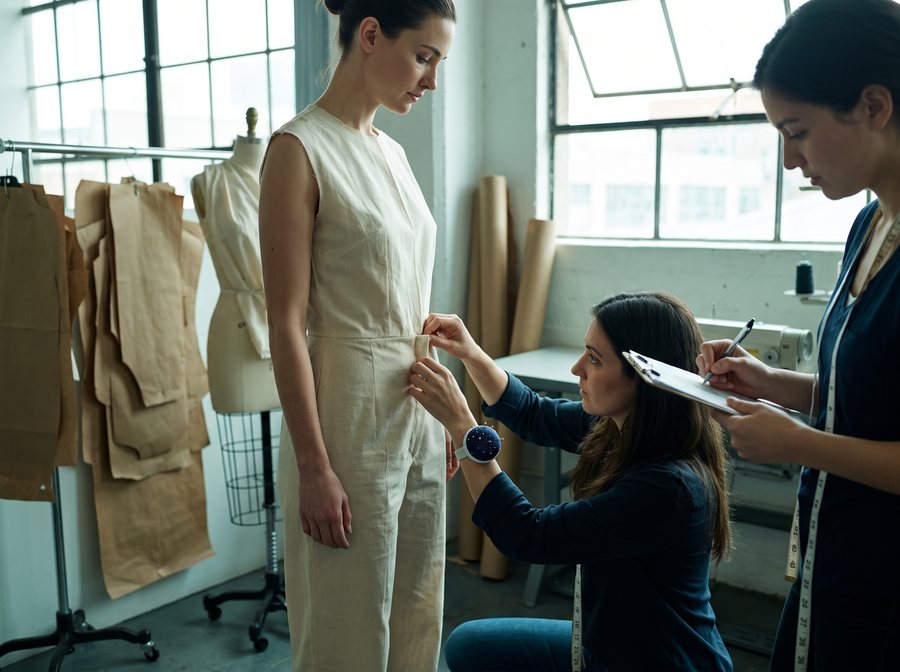
How to Run a Fit Session
An hour done properly saves a sample round. What to do before, during and after.
Read guideHow to Build a Size Chart
Body measurements versus garment measurements, and why copying a competitor chart drives returns.
Read guideMinimums & MOQ
How to Lower Your Manufacturer Minimums
Why MOQs are quoted the way they are, and the levers that actually move them.
Read guideLow MOQ and Small-Batch Manufacturing
Factories that genuinely want small runs are a different business from the ones that merely tolerate them.
Read guide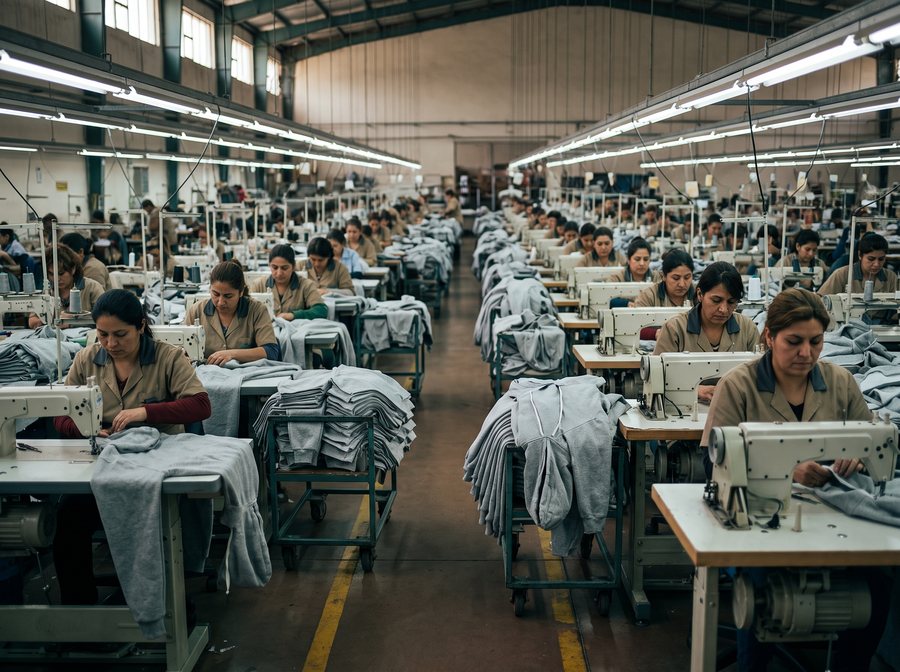
Fabric MOQ vs Cut-and-Sew MOQ
There are at least two minimums on every order. Confusing them is why a 60-piece quote becomes a 300-piece commitment.
Read guide
Minimum Colour Quantity and Dye Lots
Every colourway is its own fabric commitment, and the dye house sets a floor you cannot negotiate around.
Read guideCosting
How to Cost a Garment Properly
Building a real cost sheet from fabric and labor up — including the costs most brands forget.
Read guide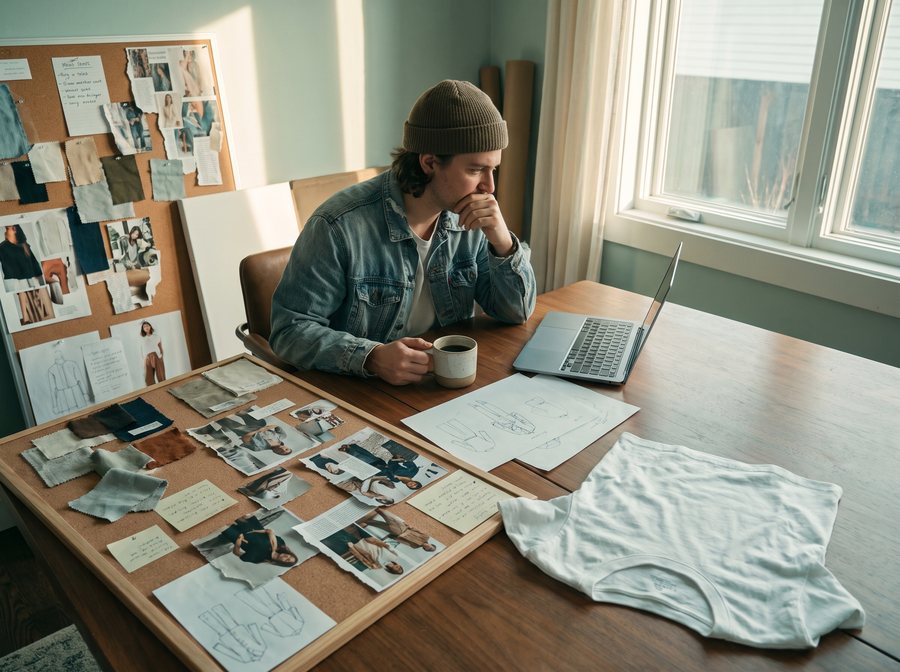
How Much Does It Cost to Start a Clothing Line?
Where the money actually goes in development and a first production run, and how to budget for it.
Read guideQuality
Garment Quality Control Checklist
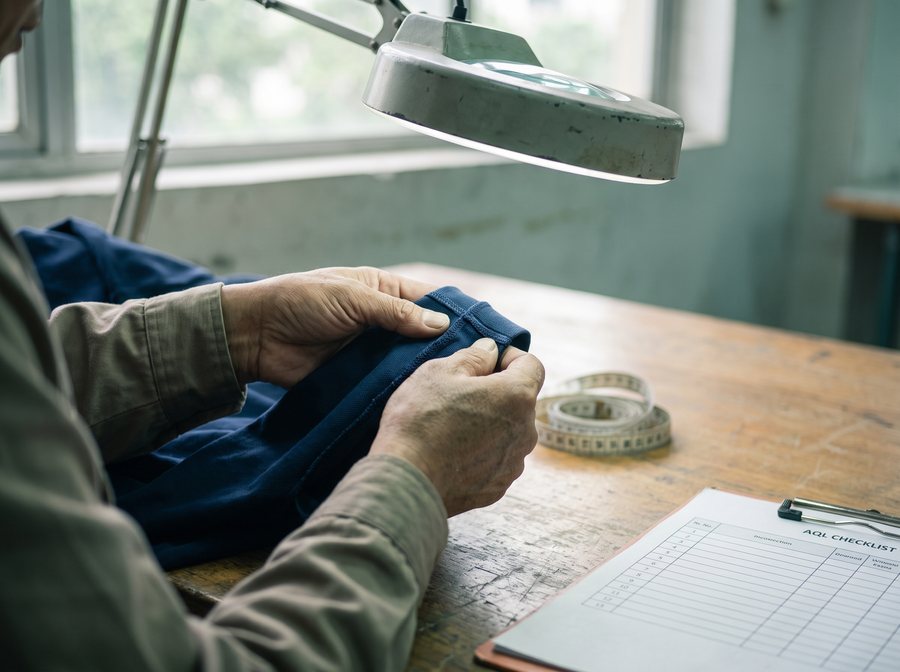
What to check, when to check it, and how to classify defects so factories act on your feedback.
Read guideAQL Inspection Explained
What AQL 2.5 actually means, the three defect classes, how sample sizes are chosen and what a rejection gets you.
Read guide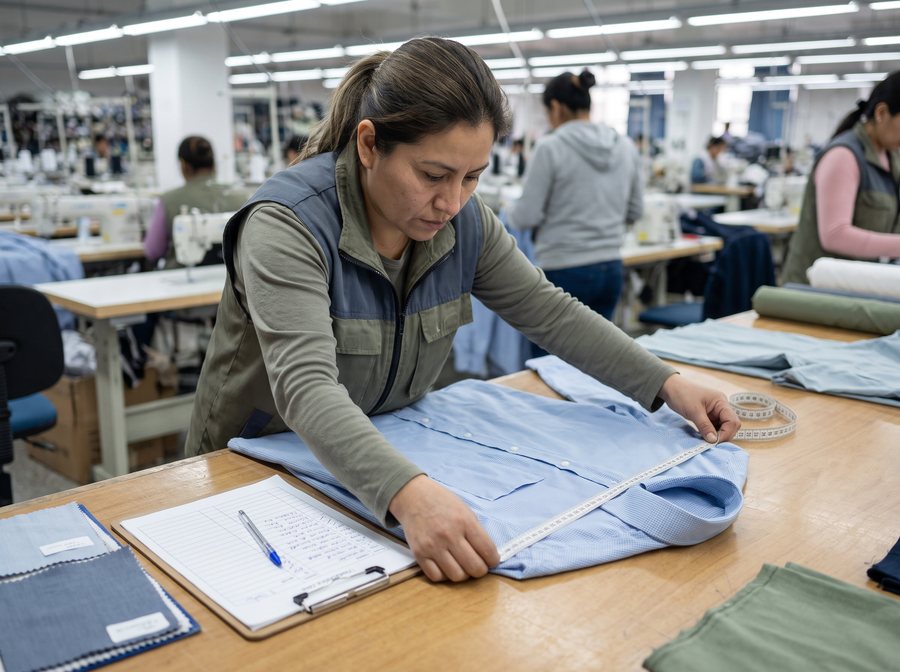
Garment Defect Glossary
Shared vocabulary for fabric, cutting, sewing, measurement and packing defects, so reports read as facts.
Read guideHow to Write Sample Comments
Vague comments are why sampling takes an extra round. Before-and-after examples and the mechanics that save rounds.
Read guideTimelines
How Long Does It Take to Manufacture a Clothing Line?
From first sketch to warehouse, where the three to nine months actually goes — and which stages slip.
Read guide
Building an Apparel Production Calendar
Your launch date with every dependency placed behind it — and the one milestone that predicts a late delivery.
Read guideManufacturing Timeline: Los Angeles vs Overseas
8–14 weeks domestically against 18–28 overseas — and why the gap is not only transit.
Read guideCompliance & Labeling
US Clothing Label Requirements
Fibre content, country of origin, responsible party and care instructions — the four things that must be on a sewn-in label.
Read guideCare Label Requirements for Apparel
Care instructions are a legal requirement and must be based on evidence. What has to appear and how to arrive at it honestly.
Read guideRN Numbers Explained: Do You Need One?
What an RN is, why it is optional, and the practical reasons brands get one anyway.
Read guideNext Step
Still Stuck?
Guides only go so far. Bring us the specific problem and we will work it through with you.