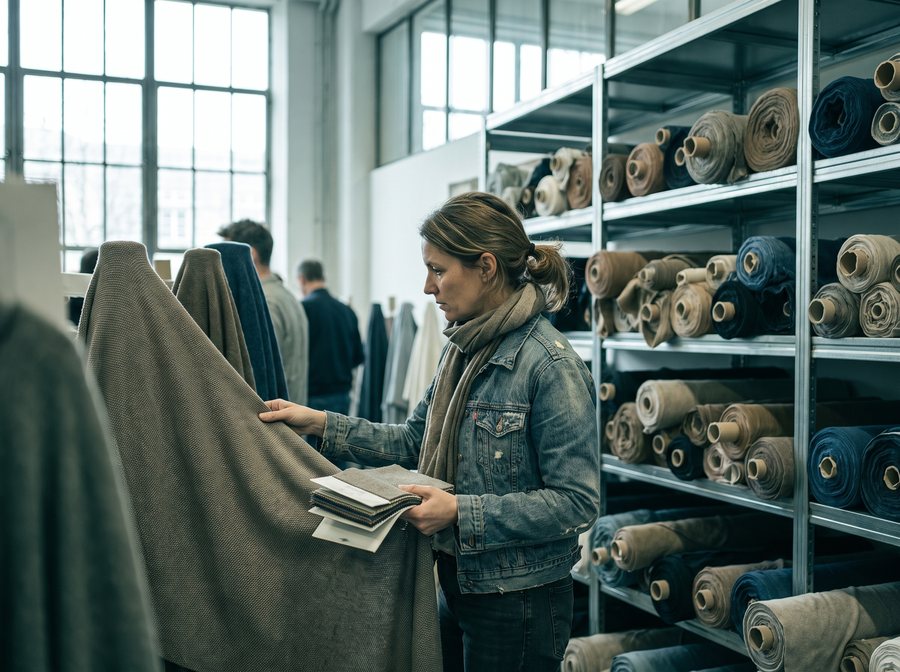
Sourcing
Factory Sourcing & Manufacturing
The wrong factory costs months and thousands. We find, vet and negotiate with manufacturers that actually fit your product, your quality level and the quantities you can commit to today.
Why sourcing goes wrong
Most brands find factories the same way: a search, a referral, a trade-show card. The factory says yes, quotes a price, and six months later the samples are off, the minimums moved, or the price was never the real price.
The fix is not luck. It is matching product type to factory capability before you ever ask for a quote — and then vetting properly.
What we actually do
- Define the product so factories can be compared like-for-like
- Build a shortlist matched to your product category, construction and quantities
- Request and normalize quotes so you see true cost, not headline cost
- Check capability, references, compliance and capacity
- Negotiate MOQs, pricing, payment terms and lead times
- Run the sampling round and set up the production agreement
Domestic or overseas?
There is no universal answer. Domestic — largely Los Angeles for cut-and-sew — buys speed, control, small runs and easy factory visits. Overseas buys cost and scale, at the price of longer lead times, higher minimums and more process discipline.
We work both ways and will tell you which fits your product and your stage, including the hybrid most growing brands end up running: develop domestically, scale overseas.
Where We Source
Domestic, Overseas and Everything Between
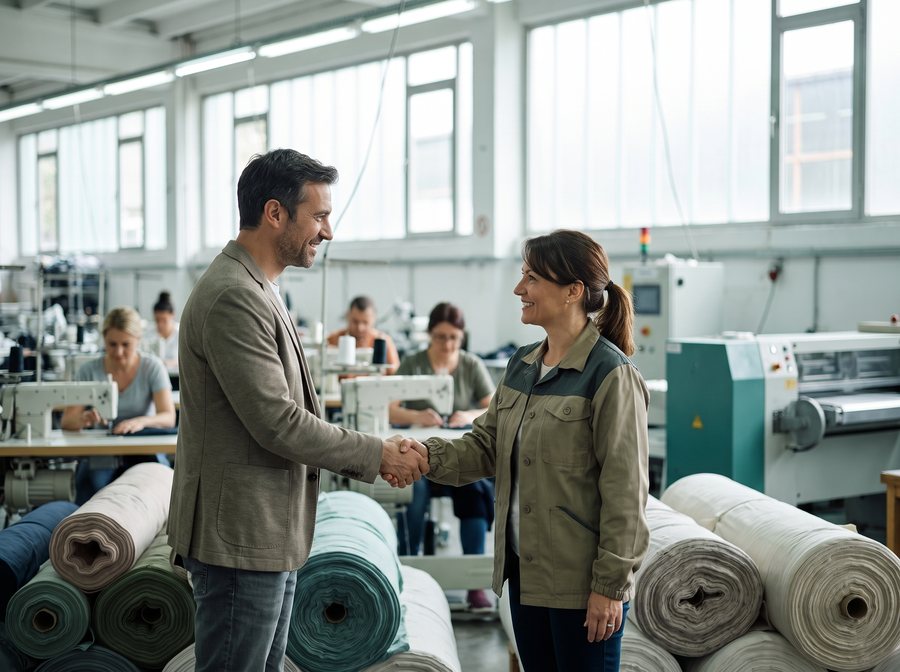
Los Angeles & USA
- Cut-and-sew specialists
- Lower minimums, faster rounds
- Easy factory visits & fit sessions
- Made-in-USA positioning
- Best for development and first runs
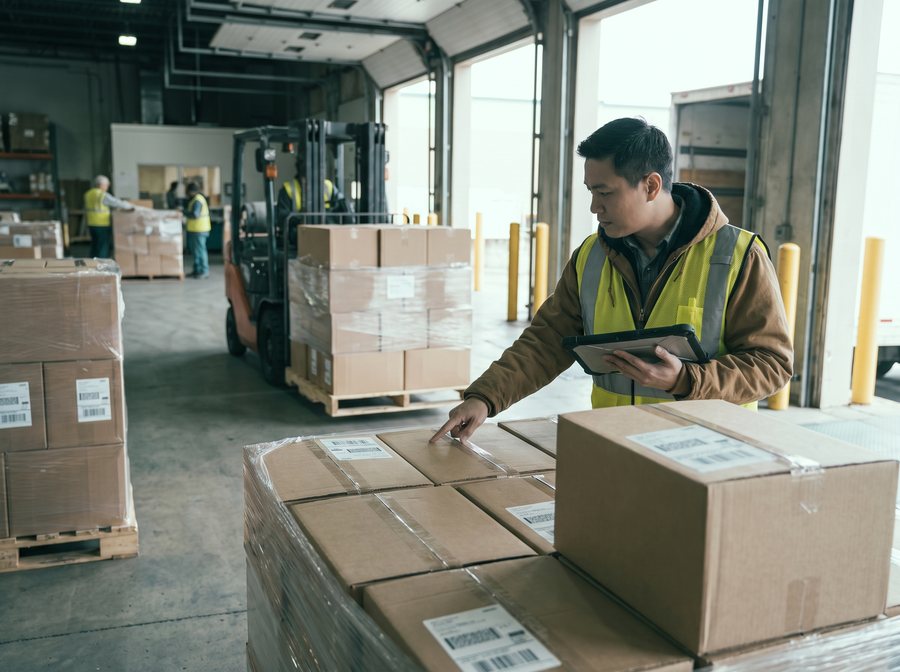
Asia, Central America & More
- Lower unit cost at volume
- Full-package (FOB) programs
- Vertical mills and knitters
- Best for scale and repeat programs
- Requires tighter specs and QC
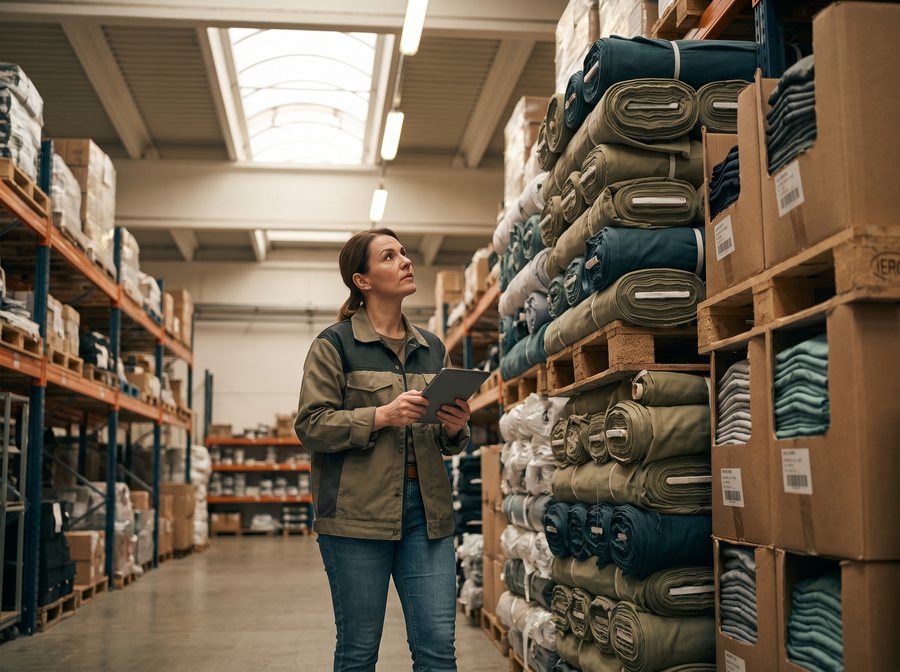
Develop Here, Scale There
- Pattern and fit perfected domestically
- Production moved for cost at volume
- One spec set, two supply chains
- Second-source protection
- Lower risk on first big order
Common Blockers
What We Get Called In For
The minimums I am quoted are way too high.
Factories will not quote my designs.
My quotes are all over the place.
I found a factory but I am nervous about paying a deposit.
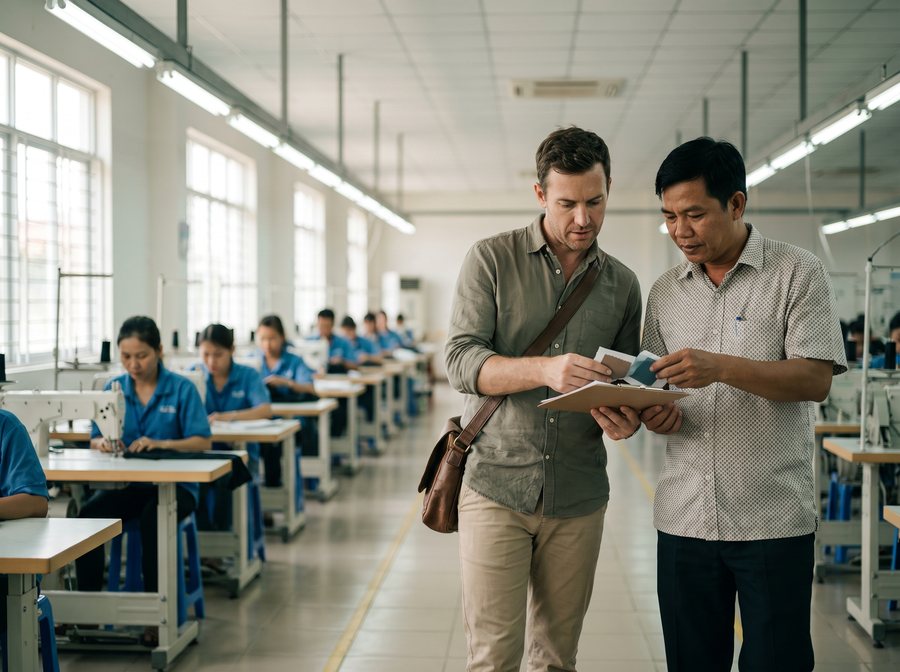
How to Find a Clothing Manufacturer
A practical, step-by-step process for finding and vetting a factory that actually fits your product and quantities.
Read guideQuestions to Ask a Clothing Manufacturer
The checklist to run before you pay anyone — factory, price, calendar, quality and the ones people forget.
Read guideDomestic vs. Overseas Manufacturing
An honest comparison on cost, minimums, lead time, control and risk — and the hybrid most brands end up with.
Read guideLow MOQ and Small-Batch Manufacturing
Factories that genuinely want small runs are a different business from the ones that merely tolerate them.
Read guide