
Production
Production & Supply-Chain Management
Growth breaks the supply chain before it breaks the product. We manage capacity, purchase orders, inspection and logistics so orders land on time, on spec and on margin.
What production management covers
Once a style is approved, the job changes from design to operations. Someone has to book capacity, place POs, chase fabric, hold the factory to the calendar, book inspection and get goods on a boat or a truck.
- Capacity booking and production calendars
- Purchase orders, confirmations and payment milestones
- Fabric and trim ordering, approvals and in-house dates
- Work-in-progress tracking and weekly factory follow-up
- Inspection booking and defect resolution
- Freight, customs, duty and delivery to your warehouse or 3PL
- Reorders, second-source factories and contingency planning
The calendar is the product
Almost every late delivery traces back to a date that slipped quietly weeks earlier — usually fabric in-house. A production calendar that works backward from your launch date, with real buffers, makes slippage visible while it is still fixable.
Scaling
What Changes As You Grow
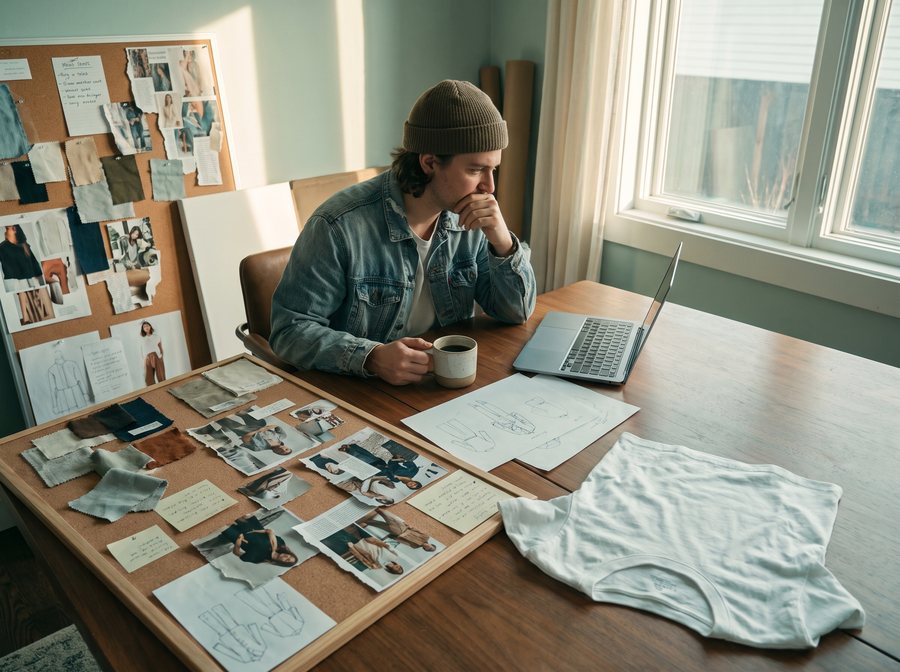
Under 500 Units
- One factory, close attention
- Domestic usually makes sense
- Learning run — expect to adjust
- Final inspection before payment
- Keep tooling and patterns
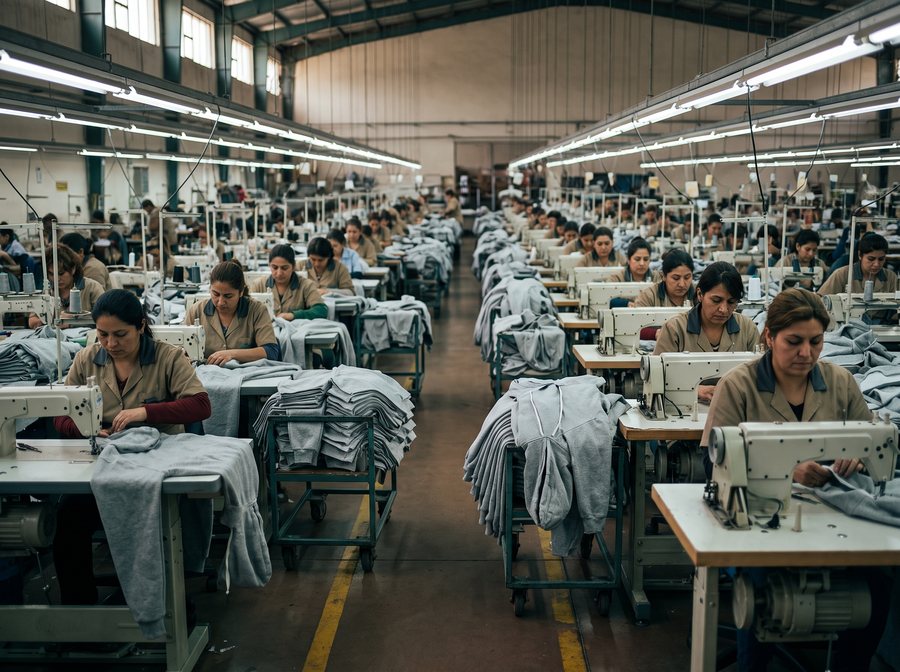
500 – 5,000 Units
- Capacity must be booked ahead
- Fabric lead times start to bite
- Inline inspection pays for itself
- Formal POs and terms
- Start a second-source conversation
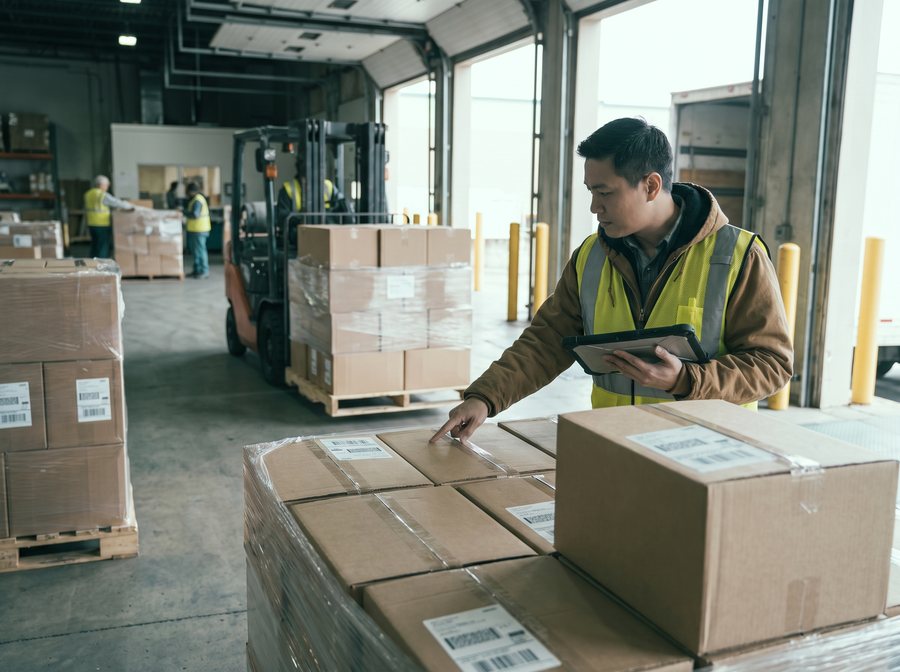
5,000+ Units
- Overseas or vertical programs
- Price breaks and volume terms
- Freight strategy matters to margin
- Vendor scorecards and audits
- Multi-factory risk management
Risk
Where Supply Chains Actually Fail
Fabric arrives late and nobody told me.
The factory took a bigger order and pushed mine back.
My goods passed inspection but arrived wrong.
Freight ate my margin.

Building an Apparel Production Calendar
Your launch date with every dependency placed behind it — and the one milestone that predicts a late delivery.
Read guide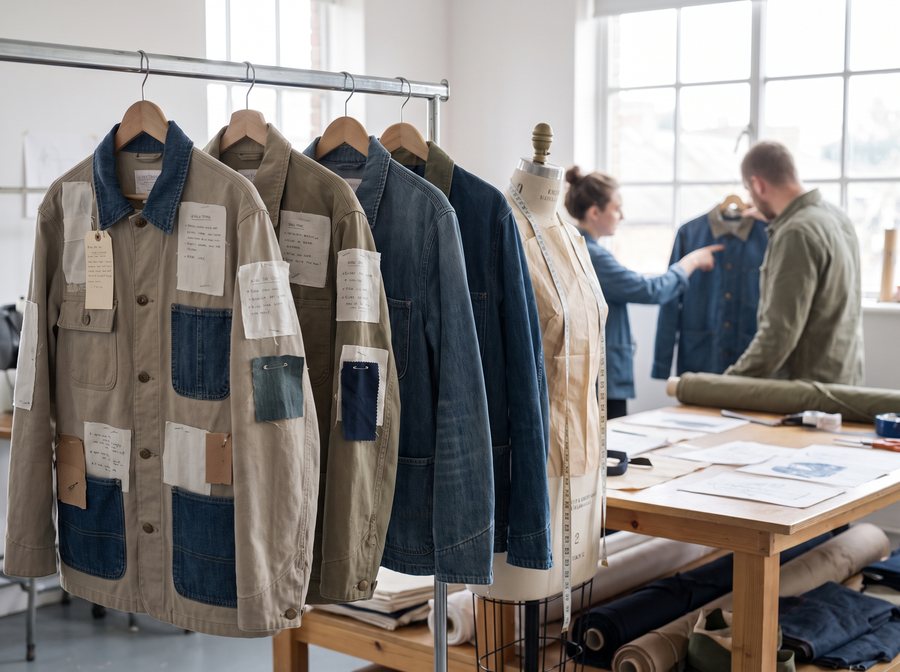
How Long Does It Take to Manufacture a Clothing Line?
From first sketch to warehouse, where the three to nine months actually goes — and which stages slip.
Read guideManufacturing Timeline: Los Angeles vs Overseas
8–14 weeks domestically against 18–28 overseas — and why the gap is not only transit.
Read guide