
Los Angeles
Clothing Manufacturers in Los Angeles
LA is the largest cut-and-sew base in the United States — and the easiest place in the country to get a first run made badly. This is how to buy from it properly.
Why brands come to Los Angeles
Los Angeles still has something almost nowhere else in the US does: a dense, walkable concentration of cut-and-sew factories, pattern makers, sample rooms, fabric jobbers, dye houses, washes, printers and trim suppliers, inside a few square miles.
For a brand making its first run, that density is worth more than the unit price. You can hold the fabric, sit in a fit session, see the line running, and fix a problem the same week instead of the same quarter.
- Minimums that start in the dozens rather than the thousands
- Sampling rounds in days, not weeks of shipping
- Fit sessions you can physically attend
- Made-in-USA labeling where that matters to your customer
- No duty, no ocean freight, no 10-week transit tying up cash
What LA is not
It is not the cheap option, and it is not a single trustworthy marketplace. The garment district contains excellent factories, brokers who will subcontract your order without telling you, and shops that will take a deposit on work they cannot do. All three answer the phone the same way.
The difference between a good LA experience and an expensive one is almost entirely in the vetting and the paperwork — not in luck.
The Map
How LA Production Is Actually Organised
Knowing which kind of shop you are talking to tells you what to ask and what to expect.
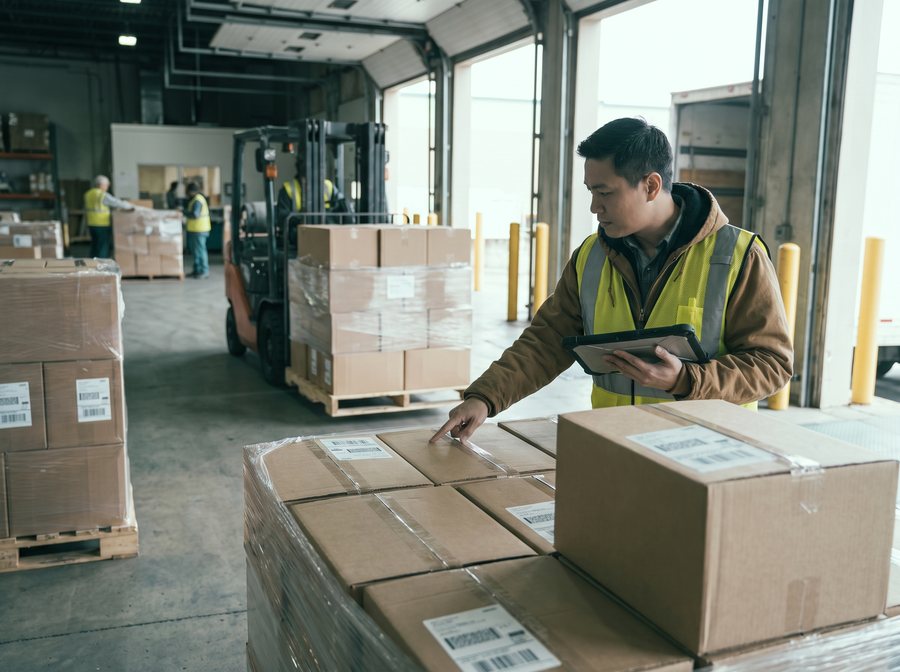
Sewing Factories
- Own sewing lines and operators
- Quote by operation and SAM
- Minimums typically 50-300 per style
- Some cut in-house, some use a cutter
- Ask to see the floor
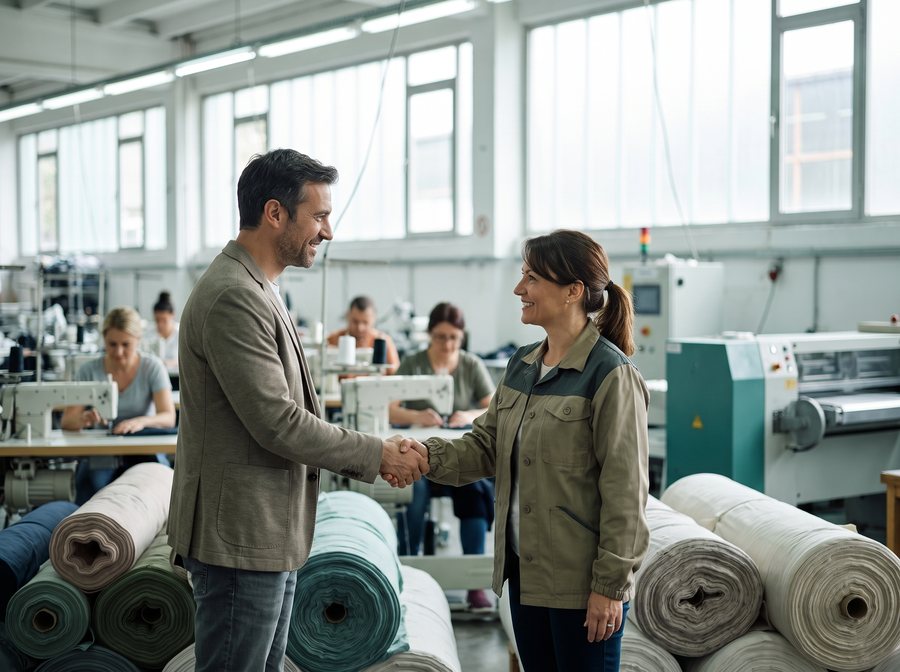
FPP Houses
- Source fabric and trims for you
- Pattern, sample, cut, sew, finish
- Higher price, far less to manage
- Best when you have no sourcing time
- Ask who actually sews it
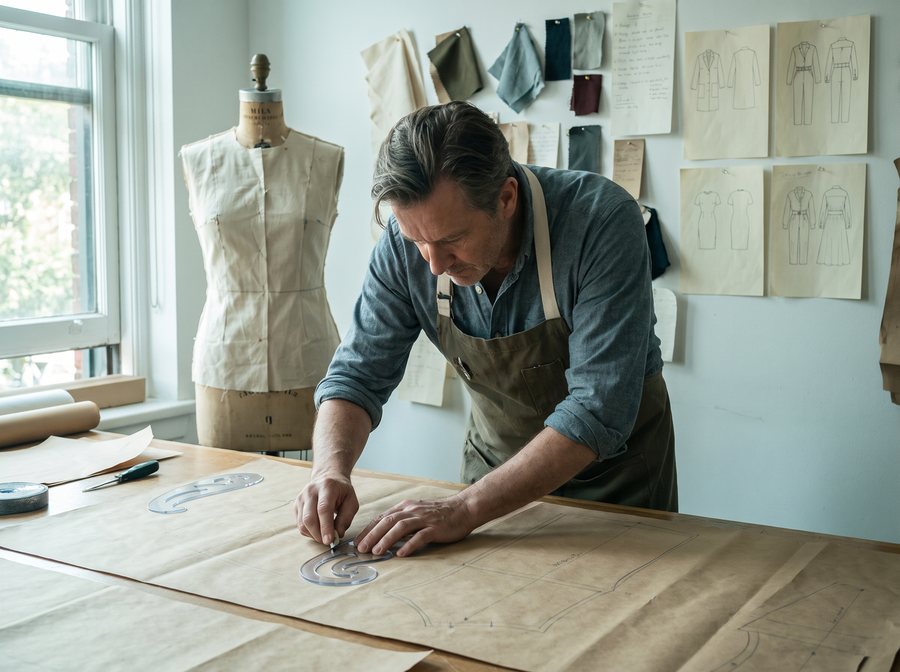
Pattern & Sample Rooms
- Pattern making and grading
- Development samples only
- No bulk capacity
- Often the best first stop
- Keep your patterns and blocks
The LA-specific traps
The broker who is not a factory
Plenty of “manufacturers” in the district are agents who place your work with a sewing shop and mark it up. That is not automatically bad — a good agent manages a lot for you — but you need to know which you are dealing with, because it changes who is accountable, what the price really is, and whether anyone will tell you when your order gets bumped.
Ask directly: do you own the sewing floor, and can I see it? The answer, and how comfortable they are giving it, tells you most of what you need.
Fabric bought on the street
The jobber market downtown is genuinely useful for small runs and one-off lots. It is also the fastest way to build a product you cannot reorder. If a style works, you need to know the mill, the quality number and whether it can be rerun — not just that there were 400 yards of it on a shelf in March.
Cash terms and no paperwork
A verbal price, a cash deposit and no written spec is still common. It is also the reason most LA horror stories exist. A one-page production agreement — specs, quantity per size and colour, price, dates, payment stages, what happens to off-spec goods — costs nothing and changes the entire relationship.
Compliance is not optional here
California wage enforcement in garment manufacturing is real and has reached brands, not just factories. Working with registered shops that can show their garment manufacturing registration protects you as well as the people sewing your product.
What We Do
How We Help Brands Buy in Los Angeles
We are not a factory and we do not take a cut of your production. We work for you.
- Shortlist factories genuinely matched to your product, quality level and quantity
- Walk the floor and vet capability, capacity and compliance before you commit
- Build the tech packs and specs that get you real, comparable quotes
- Normalise and negotiate quotes so you can compare like with like
- Sit in fit sessions and write sample comments against spec
- Manage the production calendar, inspection and delivery
- Keep your patterns, specs and factory relationships in your name
Questions
Los Angeles Manufacturing FAQ
What minimums should I expect in Los Angeles?
Is LA production more expensive than overseas?
How long does an LA run take?
Can I visit the factory making my product?
Do I need to be in Los Angeles to produce here?
Can you help if I already have an LA factory?
Next Step
Making Your Line in Los Angeles?
Tell us the product and the quantity. We will tell you honestly whether LA is the right place to make it — and who should make it.