
Guide
Low MOQ and Small-Batch Clothing Manufacturing
Factories that genuinely want small runs exist. They are a different kind of business from the ones that merely tolerate them — and knowing the difference saves you a season.
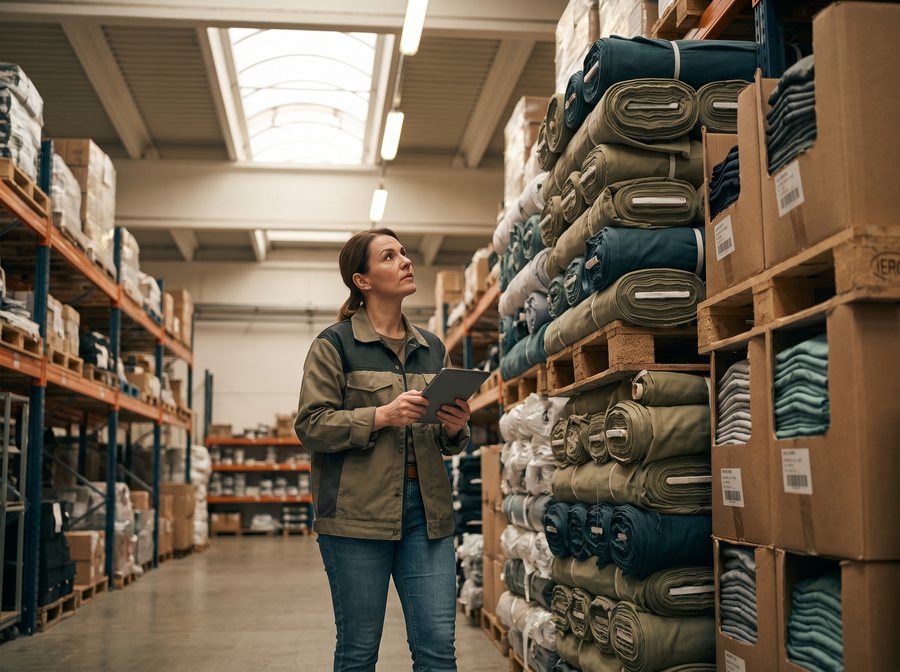
What counts as small batch
There is no standard. A factory built for programme work may call 500 pieces small; a studio-scale shop may routinely run 25 per style. “No minimum” usually means 1-50 units per style, per size or per colourway, and almost always carries a higher unit price to match.
So the first question is never “what is your minimum” in isolation. It is: what is your minimum, per what, and what drives it?
Why small orders cost more per piece
Not greed — arithmetic. A production run carries fixed costs that do not shrink with quantity:
- Marker making and spreading the fabric
- Setting up and balancing the sewing line for a new garment
- Operators learning the style — the first fifty are always the slowest
- Machine changeovers and attachment setup
- Administration, sampling, inspection and packing setup
Spread across 1,000 units those costs disappear. Across 50 they dominate, and a factory that prices small runs the same as large ones is losing money on yours.
Finding factories that actually want small runs
- Look for shops that say so plainly on their own site rather than hoping a large factory will make an exception
- Studio-scale and sample-room-plus-production operations are the natural fit
- Domestic — in the US, largely Los Angeles — is where small cut-and-sew lives
- Full-package houses aimed at emerging brands absorb the material minimums for you
- Ask directly whether your quantity is normal for them, not whether it is possible
A factory that “can” do 100 pieces and a factory that runs 100-piece orders every week will give you very different experiences at the same price.
The minimum you cannot negotiate
Most brands discover too late that the sewing minimum was never the binding one. Fabric mills typically want several hundred yards per colour per construction, and a dye house will not run a custom colour below a set weight. Your 60-piece sewing minimum is irrelevant if the fabric behind it needs 300 yards per colourway.
This is the single biggest reason “low MOQ” quotes fall apart at the ordering stage. Stock and mill-held fabric is the usual way out — it removes the material minimum entirely, at the price of choosing from what exists.
Levers that actually reduce your first run
- Fewer colourways — this is almost always the biggest single lever
- Stock fabric instead of custom-dyed
- A tighter size curve for run one, broadened once you know what sells
- Fewer styles, made properly, rather than a wide first collection
- Accepting a higher unit price in exchange for a quantity you can actually sell
What to watch for
Be careful with a low quoted minimum and no written price at reorder. The economics that make a tiny run viable for a factory often assume the next order is larger; if that is not agreed up front, the price can move sharply once you are committed and have nowhere else to go.
Book a free discovery call and get a straight answer on your specific product.