
Guide
Care Label Requirements for Apparel
Care instructions are a legal requirement, not a courtesy, and they have to be based on evidence. Here is what has to appear and how to arrive at it honestly.
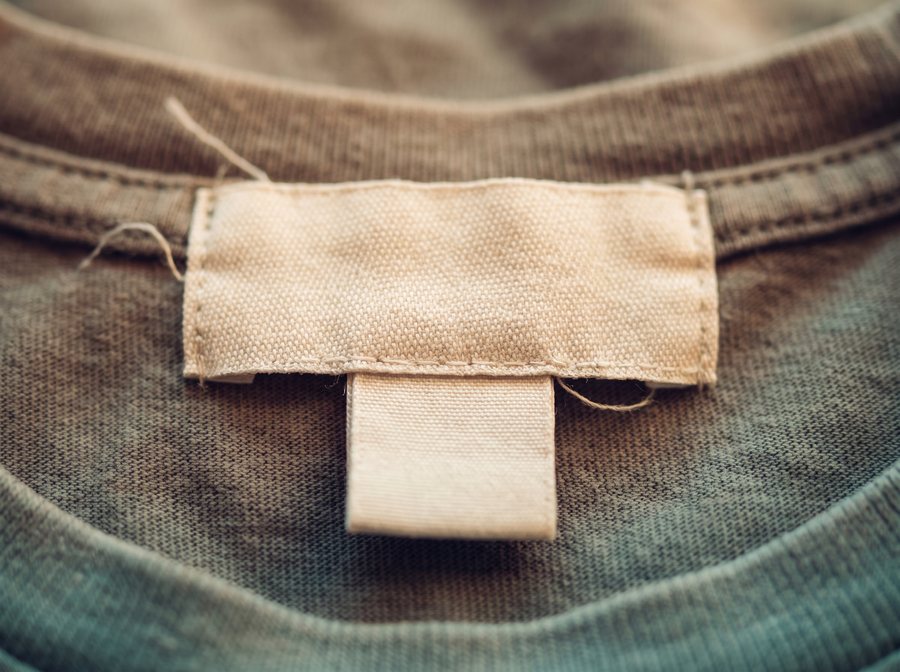
What the Care Labeling Rule asks for
Manufacturers and importers must provide care instructions so a consumer knows how to clean the product without damaging it. In practice that means covering washing, bleaching, drying, ironing, and any warning needed to prevent harm in ordinary use.
The instructions must appear on a label attached to the garment and stay legible for its useful life — so the label itself has to survive the care method it describes.
The evidence requirement is the part people miss
You are expected to have a reasonable basis for the instructions you give. Copying a care label from a similar garment is not a reasonable basis, because “similar” fabrics behave very differently: two cotton jerseys of the same weight from different mills can shrink by quite different amounts.
A reasonable basis usually comes from one of three places: the mill’s own test data for that fabric, a test you commission, or documented experience with the identical fabric across previous production.
Warnings matter as much as instructions
If a normal care procedure would damage the garment, the label has to warn against it. “Do not bleach”, “do not tumble dry”, “wash separately” and “do not iron print” are warnings, and omitting one that was needed is the most common failure.
Garment-dyed, over-dyed and heavily printed products need the most attention here. So does anything with trims that behave differently from the body fabric — leather patches, metal hardware, specialty interlining.
Symbols or words
US care labels can use words, and many brands do because it removes ambiguity. Symbols are standard elsewhere, and if you sell internationally a combined label is usually simpler than running separate label stock per market.
Getting it right in production
- Ask the mill for care recommendations and shrinkage data in writing when you approve the fabric
- Wash-test a sample garment — not a swatch — in the method you intend to put on the label
- Check shrinkage after testing and adjust the pattern if needed, before bulk is cut
- Specify the exact label wording in the tech pack, not “standard care label”
- Confirm the label content on the PP sample, and keep that sample sealed
- Re-check if you change mill, fabric or wash process on a reorder
The one that catches people
Shrinkage. A garment that measures to spec at inspection and then shrinks out of spec on the customer’s first wash is a quality problem that inspection cannot catch, because the garment was correct when it shipped. Testing before bulk is the only place to find it.
This is a working summary rather than legal advice — confirm the current requirements for every market you sell into.
Book a free discovery call and get a straight answer on your specific product.